
A pro cross-country skier shares his chats
Paralympian Maksym Murashkovskyi uses ChatGPT to plan his training and perform at his best
Every week, we get on the phone with ChatGPT Pro subscribers to learn how they’re actually using the product, because they tend to push the edges of what’s possible. Maksym Murashkovskyi is a Ukrainian Paralympian who uses ChatGPT to structure his training, analyze his performance, and mentally prepare for his competitions. We hope his story sparks ideas for how you can use AI in your field.

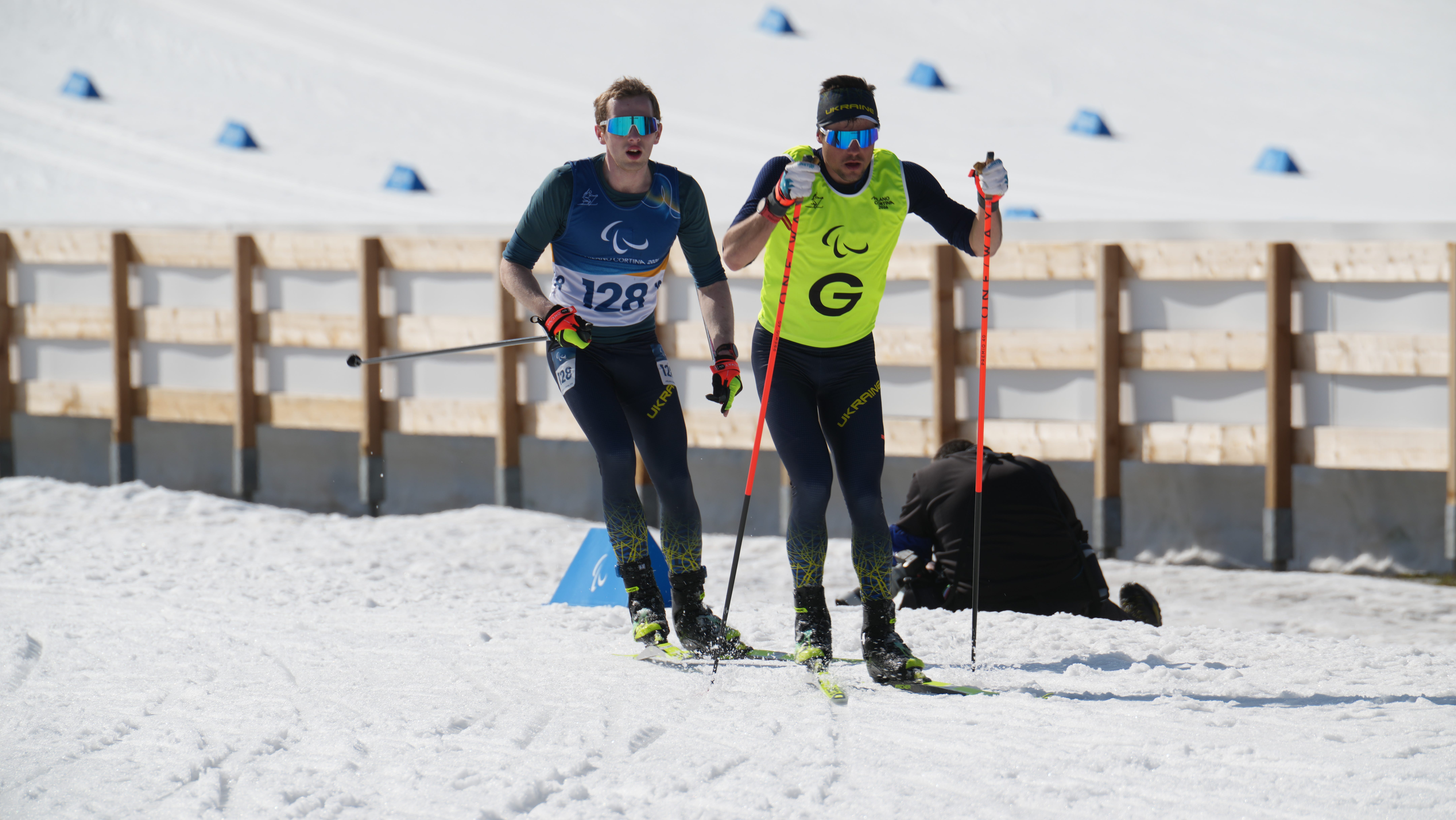
Maksym Murashkovskyi grew up in Ukraine with limited vision and didn’t start skiing seriously until he was a teenager. It was a physical education teacher at his boarding school who first recognized his potential and connected him with a coach.
The transition to competitive cross-country skiing and biathlon was overwhelming at first. Maksym began training daily after school with the Deaflympic team’s coach, all while continuing his studies and eventually earning a degree in pharmaceutical biotechnology. Today he is a full-time athlete, and at the 2026 Winter Paralympics he won the silver medal alongside his guide, Vitaliy Trush.
Maksym trains primarily in Western Ukraine, where he says the national para sports base feels safer than his home in Kyiv. Drone and missile attacks can disrupt his sleep and affect performance, but training, he says, helps him cope.
We spoke with Maksym after learning that he used ChatGPT as a kind of coach in the months leading up to the Games. Here are five ways he used it to plan his season, analyze his performance, and fine-tune his training in near real time (the prompts have been translated from Ukrainian):
1. Prepare for multiple competitions
Help me structure my preparation for the upcoming competitions and the Paralympics:
Finsterau, Germany (priority B)Poland (priority B)Paralympics Milano Cortina (priority A)
What’s needed:
Propose an overall preparation methodology: what training blocks / focus areas to emphasize before the B competitions so as not to burn out, and how to peak for the A event;How to handle tapering and recovery between Germany → Poland → Paralympics;What 2–3 key things to monitor throughout (load, recovery, shooting/technique, travel/adaptation).
[RaceCalendar.pdf]
Why was this chat valuable? “ChatGPT helped me turn my race calendar into a strategic plan. I was chatting with it almost every day, and sometimes it corrected my plan step-by-step, even lowering the intensity when I needed to recover. While I have years of experience in endurance training, I am still learning new things.”
2. Adjust your training based on your workout data
Here is a screenshot of my workout data from the watch.
I felt excellent overall. Strong and controlled, and the session was genuinely enjoyable. No major issues.
Analyze the workout:
What was good/bad in terms of pace and heart rateWhere I overdid the intensityHow to adjust the next 2–3 days to keep progressing and recover properly
[WorkoutData.jpg]
Why was this chat valuable? “It acts like a quick coach-analyst loop. I upload my watch data, describe how the session felt, and ChatGPT helps me understand the workout and suggests how to adjust the next few days. I usually take notes from its answers, then remember its advice about tempo and heart rate zones during my next training session.”

3. Track your daily nutrition
Help me calculate my daily nutrition.
I weighed the foods and recorded them:
oats (dry) ~80 gwalnuts ~20 g1% kefir ~100 gapple ~60 gbanana ~60 gtomato ~100 gcucumber ~80 gbell pepper ~60 g2 eggs ~110–120 g total1–2 wheat crispbreads ~8 g eachavocado ~30–40 gan espresso with some 2.5% milk and ~7 g sugar
I also have these photos of the labels with calories and macros (protein/fat/carbs).
Calculate total calories and P/F/C, compare them to my daily target, and give a short summary: what’s good and what should be adjusted tomorrow.
[Foods.jpg]
Why was this chat valuable? “I wasn’t tracking my nutrition before ChatGPT, but as a pharma student, I knew it was important. Now I can send everything I eat — sometimes every meal for several weeks — and it calculates calories and protein, fat, and carbohydrates per day or week. Our team doesn’t have a nutritionist, so this helps me understand whether I’m eating enough protein, how to regulate fat and carbohydrates, and how to plan my meals.”
4. Build a weekly training plan
I am preparing for para cross-country skiing / para biathlon (VI), and I work with a guide.
I am currently at the Western Rehabilitation and Sport Center in Sianky, Lviv Oblast, Ukraine.
The training facilities available to me include:
gym with a strength-training roomswimming poolroller skiingrunning trailsski-pole imitation workoutsergstationary bike
Create a 7-day training plan for me that includes:
2 training sessions per day (morning/evening), where appropriate;where to place rest days (or very light days);1–2 key training sessions during the week;how to distribute intensity and volume to allow for proper recovery.
Why was this chat valuable? “The first time I used ChatGPT this way, I was at our training base in Western Ukraine. My coach wasn’t with me, so I needed help with my training plan. It helps turn messy real‑life constraints (like location, equipment, travel) into a workable plan. It also reduces planning fatigue and helps keep training balanced and consistent.”
5. Create a race-day plan
Tomorrow I have a race: Para biathlon — 12.5 km (Individual, VI)
It will be warm and sunny. Today, the course was heavy. Some sections were wet and slushy (“like mush”), and overall it felt slow and demanding.
Create a plan for the next 24 hours:
What to do this evening (sleep/nutrition/equipment prep);What to do in the morning (food/hydration/warm-up timing);How to pace the effort over the distance (in general terms);What to do after the finish for recovery.
Why was this chat valuable? “It gives me a simple pre-race and race-day routine so I’m not improvising under stress and can focus on execution. It’s mentally grounding.”
Ask Maksym about how he uses ChatGPT in the comments!
For more stories and use cases from experts using ChatGPT, subscribe.
Are you a Pro subscriber using ChatGPT to help you level up your work? We’d love to meet you.