
A broccoli farmer in northern Japan shares his chats
Hiroki Tomiyasu uses ChatGPT and Codex to troubleshoot problems on his farm and automate parts of his work

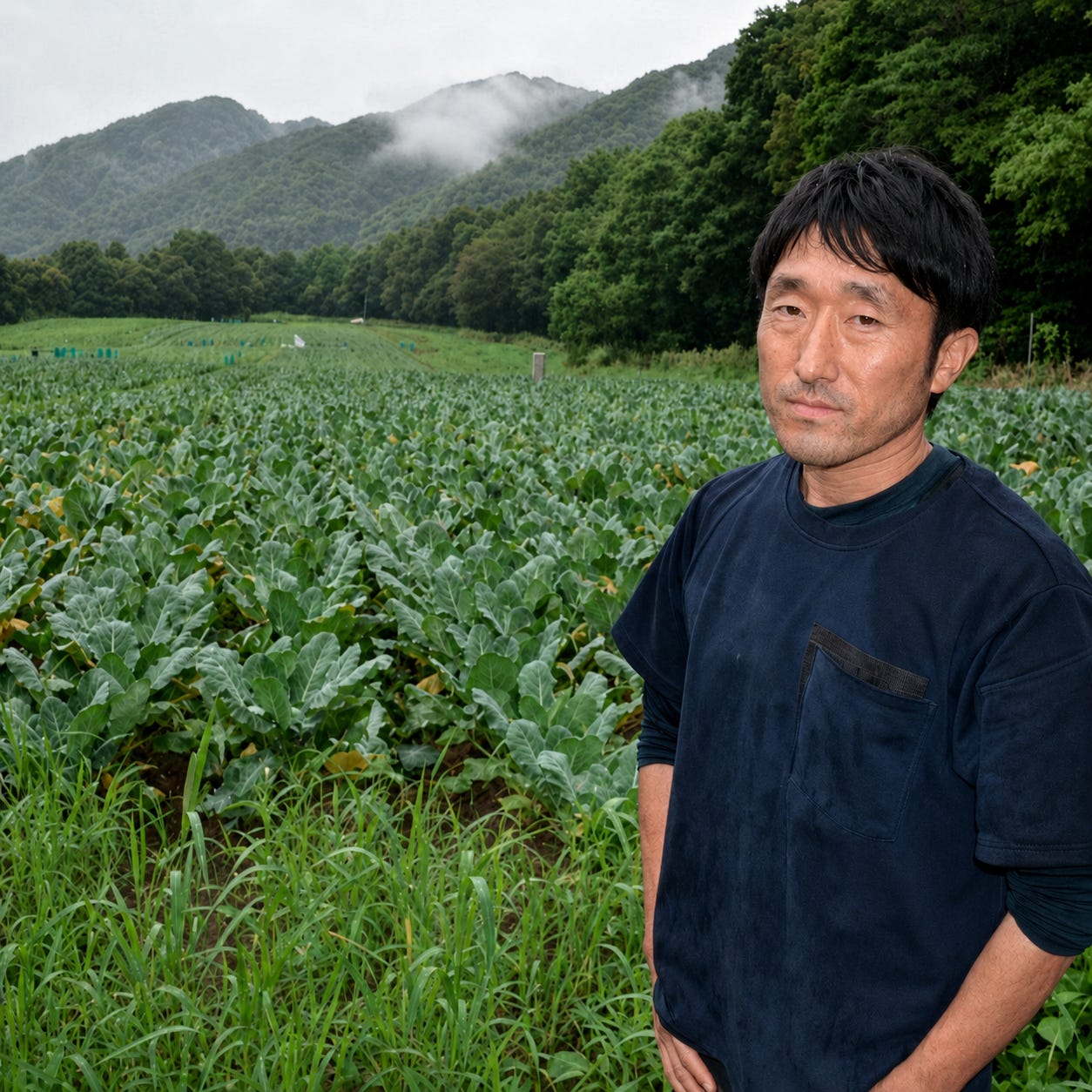
Every week, we talk with ChatGPT Pro subscribers to learn how they’re using the product in their lives and work. Today, we want you to meet Hiroki Tomiyasu, a Japanese farmer in Hokkaido who uses ChatGPT and Codex to learn new techniques, troubleshoot problems, and build tools that automate parts of his work on the farm. We recently had the opportunity to sit down with Hiroki in Tokyo and learn how a former public servant taught himself to farm. We hope his story sparks ideas for how you can use AI in your own work.
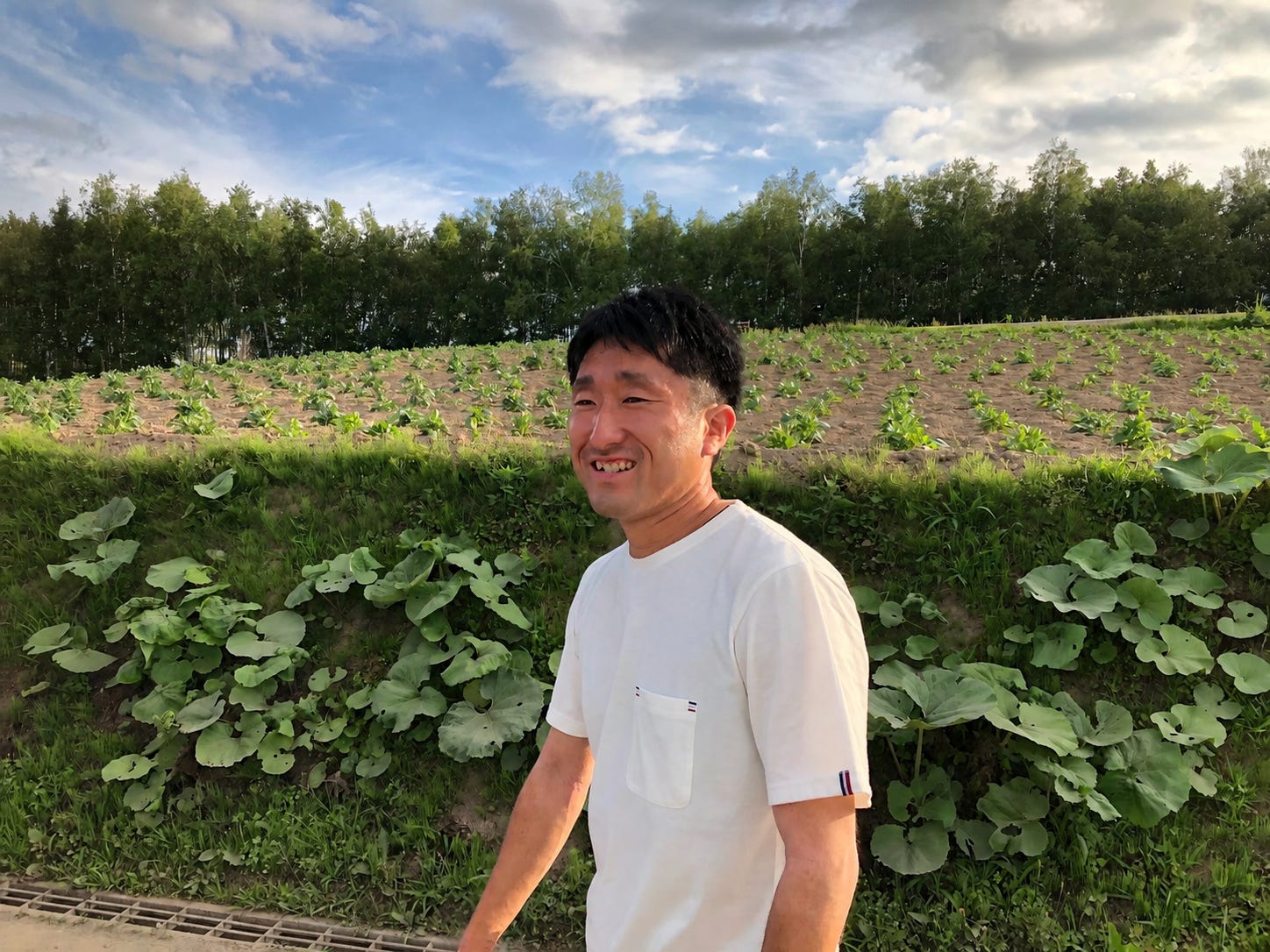
Growing up outside Tokyo, Hiroki Tomiyasu never planned to become a farmer. He didn’t inherit land, didn’t study agriculture, and spent his early career working as a public servant.
But in his 20s, friends connected to Japan’s rice-growing culture began bringing him into rural communities. What started as curiosity gradually became conviction. “Suddenly,” he says, “I was a farmer.”
About 10 years ago, Hiroki joined a small group restoring abandoned rice terraces in the Okayama prefecture as part of a broader effort to revive aging farmland that was disappearing across rural Japan. The work was difficult and idealistic, but the group bonded around a shared belief that they could build something larger. “We thought: why not create our own collective and run a full farm?”
That ambition eventually took them north to Hokkaido, Japan’s agricultural heartland. There, Hiroki learned farming by doing it. Season after season, he taught himself how to drive tractors, manage crops, and operate large-scale farmland. Today, he oversees about 100 hectares growing broccoli, pumpkins, green onions, and soybeans.
Modern farming at that scale is relentless: it’s physically demanding, operationally complex, and difficult to staff. So Hiroki began looking for ways to automate parts of the work himself. Traditional agricultural automation often requires expensive proprietary machinery and specialized engineers — resources usually reserved for much larger operations. But AI tools like ChatGPT and Codex changed the equation, he says. “It feels like having an ultra-talented engineer always by your side.”
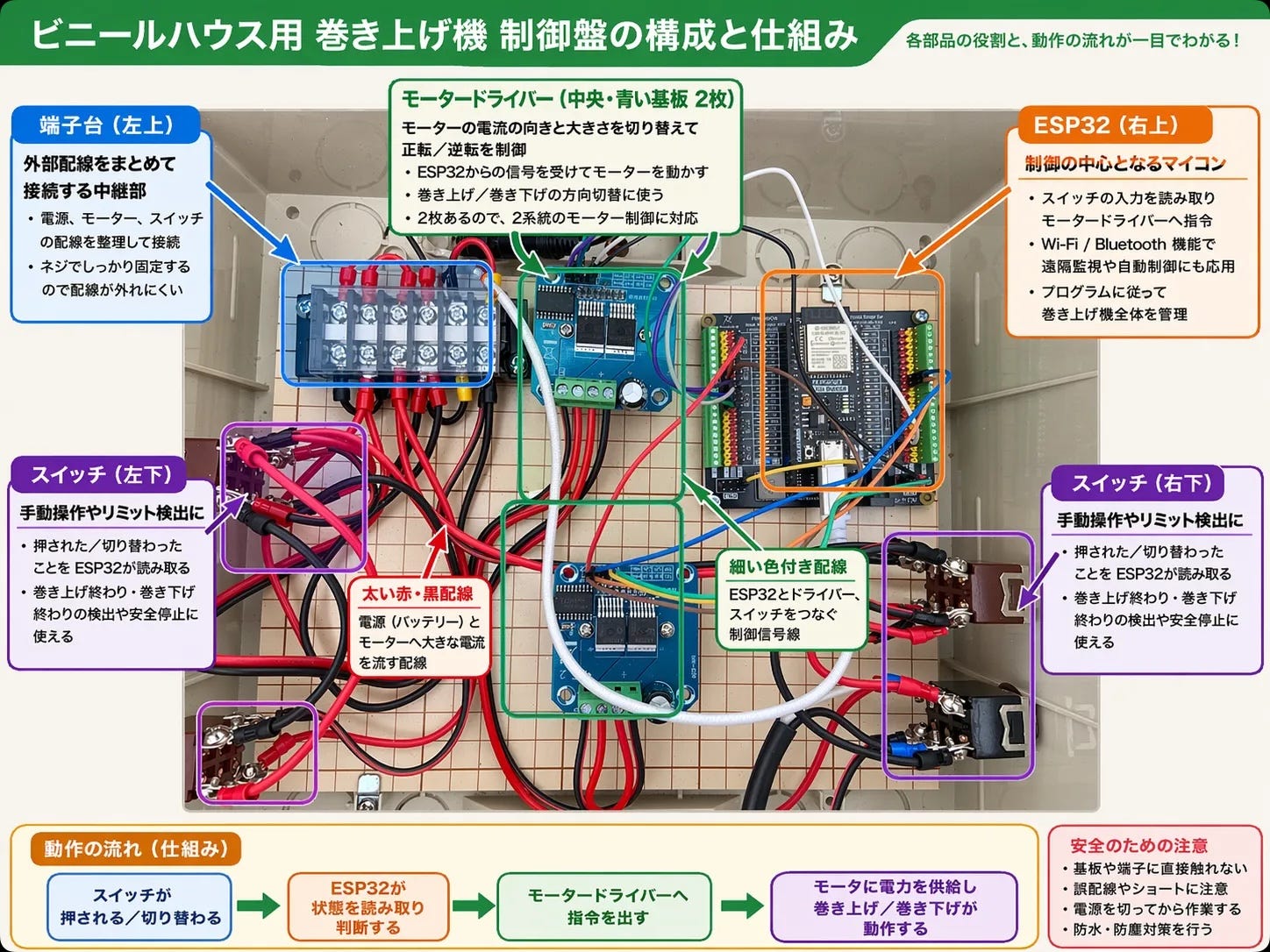
Now Hiroki spends his off-hours experimenting with AI, software, and connected sensors to solve practical problems on the farm: monitoring greenhouse temperatures, tracking field conditions, and streamlining daily operations. Online, he documents the process as an ongoing series of experiments from a farmer teaching himself, step by step, how to build it.
Here are eight ways Hiroki uses ChatGPT and Codex to automate, troubleshoot, and make decisions on the farm (the prompts have been translated from Japanese):
1. Identify diseases in vegetables
I’ve noticed black spots appearing on harvested broccoli. I’d like to know whether this is a disease and how I should address it.
[Broccoli.jpg]
Why was this chat valuable? “Abnormalities discovered during farm work can be photographed on the spot and discussed with ChatGPT. It provides guidance, ranging from minor symptoms that do not require consulting a specialist to diseases that need urgent intervention.”
2. Learn how to monitor your fields with satellites
If you were to use satellites for field monitoring, what kind of systems and mechanisms could you potentially incorporate?
Why was this chat valuable? “I built a system that pulls satellite data based on our own field data and regularly fetches vegetation index data like NDVI. Now we can view maps that overlay satellite imagery on our actual fields, giving us more data to make decisions about each plot. It was neatly integrated into the map app we’d already built, making satellite data easy to access and use.”
3. Add technical annotations to a photo
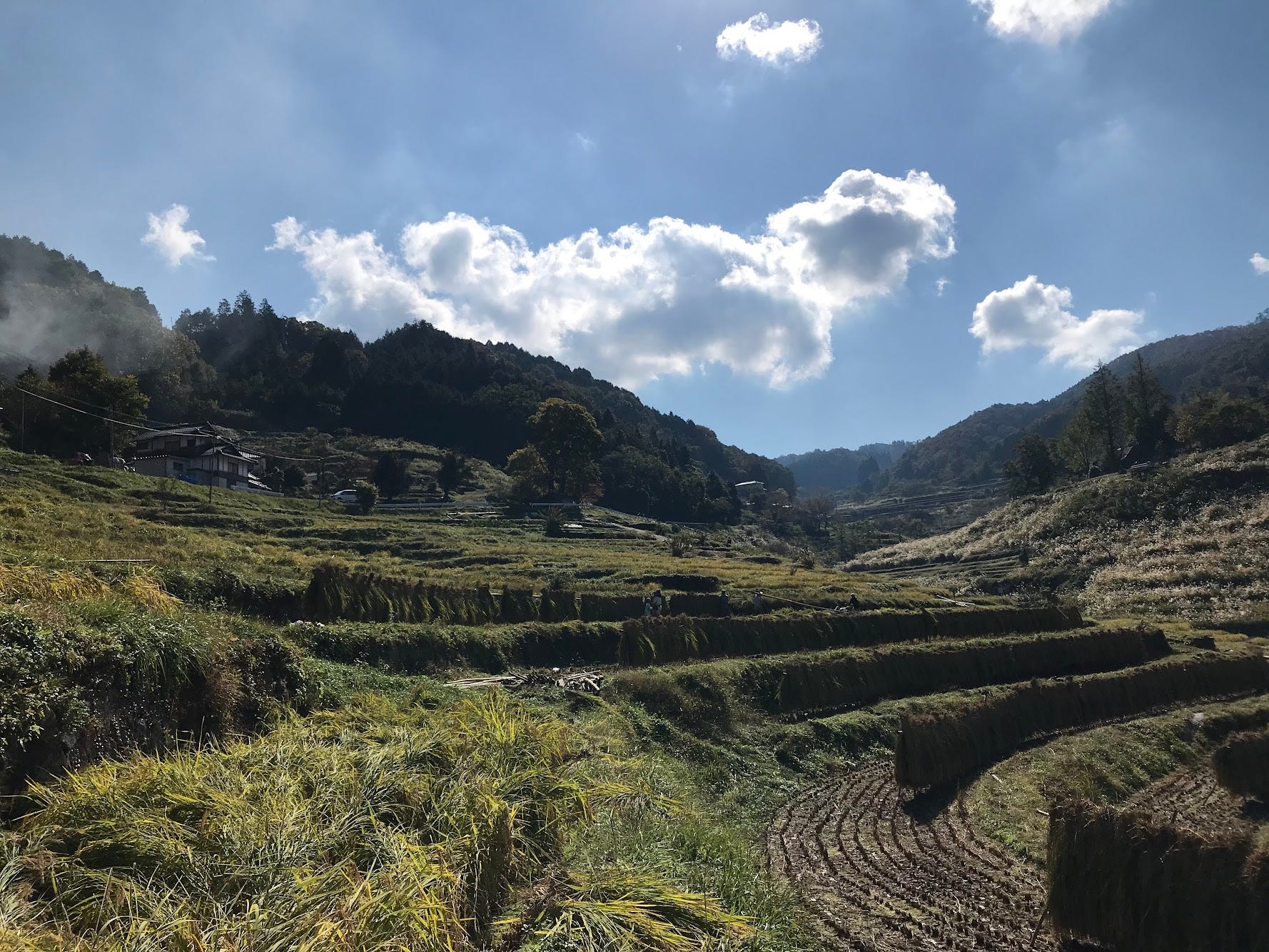
This is the inside of the control panel for a roll-up machine for a vinyl greenhouse that I’m building. I’d like you to create an image that explains what each part is, what machine it belongs to, and how the whole system works. The component visible in the upper left is the terminal block, the one in the center is the motor driver, the upper right is the ESP32, and there are switches in the lower right and lower left corners.
[Wires.jpg]
Why was this chat valuable? “This is a wiring diagram for a control box I built to manage temperature in my vinyl greenhouses. The Japanese came out perfectly. I was genuinely surprised.”
Want to see more examples of how experts use Images 2.0?

4. Use Codex to build a remote control for your greenhouse motor
I want to control a greenhouse roll-up motor using an ESP32.
Here’s the setup:
ESP32BTS7960 motor driver24V DC roll-up motorCloudflare WorkersLINE BotD1 databaseON-OFF-ON switch for manual operation
My idea: when I send “open,” “close,” or “stop” via LINE, I want the command to get stored in Cloudflare Workers. The ESP32 should periodically poll for commands and drive the motor accordingly.
Please explain the overall architecture and control flow in a clear way, including safety considerations.
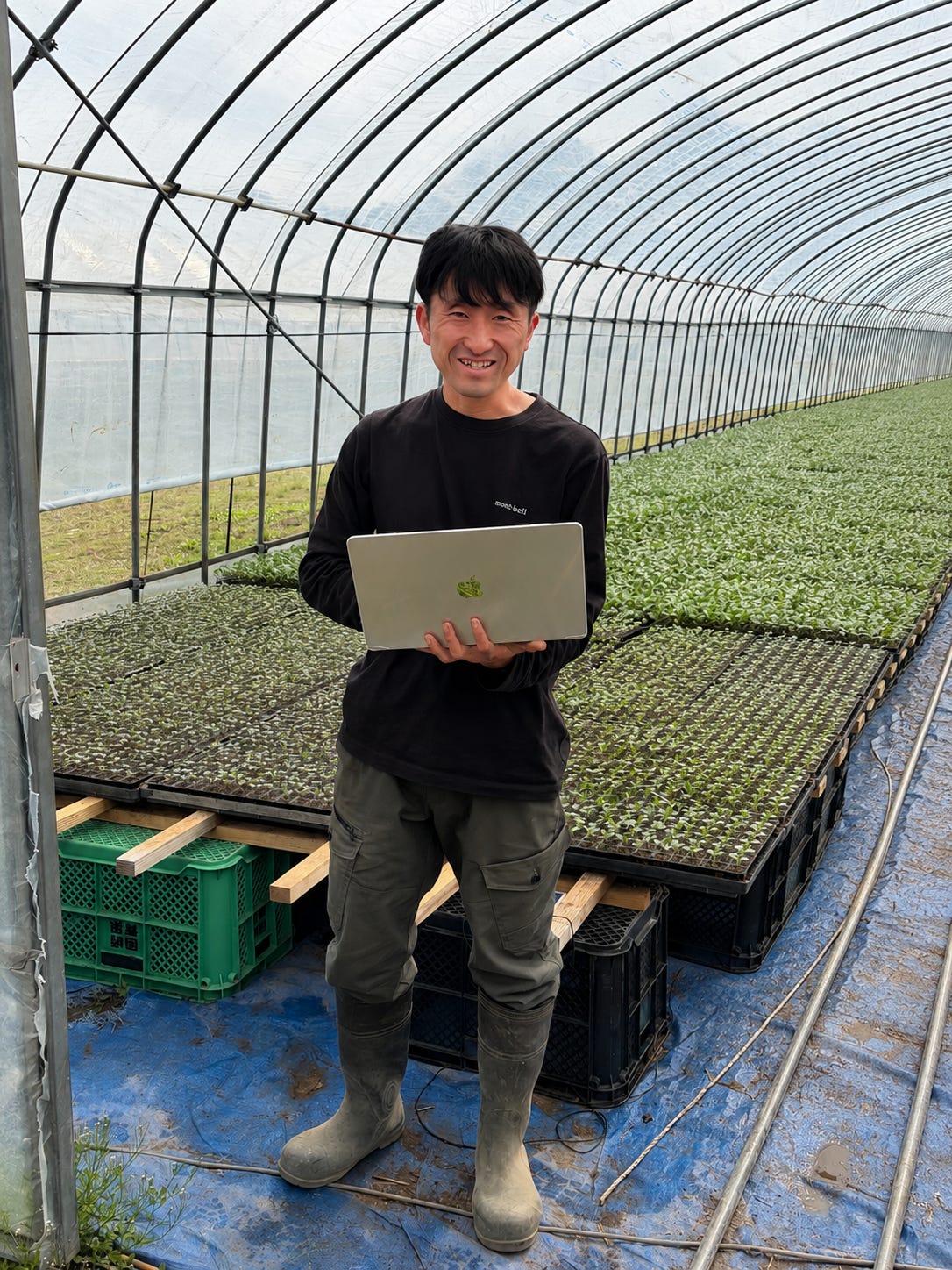
Why was this chat valuable? “I was able to use Codex to build a system that automates the roll-up control in the greenhouse. Now I’m able to manage the greenhouse remotely, via LINE [messaging app], which makes the job a whole lot easier.”
See it in action:

5. Use Codex to build a bot for your farm’s group chat
I want to build a bot for use in agricultural fieldwork.
The purpose is: checking temperature in each vinyl greenhouse, operating the roll-up vents, and checking the work schedule.
So that the people on-site don’t get confused, please design the LINE rich menu and conversation flow with the following conditions:
Keep the number of buttons smallUse clear, easy-to-understand JapaneseMake it easy to tap on a smartphoneMake it hard to mis-operate
Why was this chat valuable? “We added this bot into our farm’s group chat, making the chat our team already uses every day even more useful. It handles things like updating our database, checking schedules, and pulling temperature data.”
6. Use Codex to track what you planted based on your group chat
Based on these logs from our group chat history, how many trays of broccoli did we seed in each of the first three rounds?
Why was this chat valuable? “It calculated exactly how many broccoli seedlings have been seeded so far, pulling from the farm chat tool history. As long as logs are stored in the chat we use day-to-day, AI can dig back through the data, which is a real lifesaver.”
7. Learn how GPS auto-steer systems for tractors work
I’d like you to explain how an RTK-GPS–based system works to automatically keep a tractor moving in a straight line. I want to evaluate whether I can build it myself.
Why was this chat valuable? “Before investing in an expensive proprietary auto-steer system, I wanted to understand the underlying technical mechanisms. By asking ChatGPT, I was able to learn about the principles of [real-time kinematic] correction, the required components, and the existence of open source projects. As a result, I realized that a self-built system could be implemented for several hundred thousand yen, significantly expanding my available options.”
8. Design a database for a farm management app
Please help me design a database for a farm management app.
Here’s what I want to manage:
FieldsCropsScheduled tasksCompleted tasksWorkersMaterialsPesticidesFertilizersVinyl greenhousesSensor data
Assuming Airtable as the platform, please suggest:
What tables to createThe necessary fields for each tableThe relationships between tables
The goal is to be able to answer these questions a farmer might ask in our group chat:
“What are today’s tasks?”“What’s the next task for this field?”“What’s the temperature in this greenhouse?”
Why was this chat valuable? “This chat became the starting point for organizing our farm’s information in one connected system. I now have an Airtable-based structure linking fields, work schedules, daily records, materials, and sensor data, with a messaging interface that lets me retrieve tasks and greenhouse temperature information. It reduces the time spent searching across separate records and makes operational information easier to access.”
For more stories and use cases from experts using ChatGPT, subscribe.
Are you a Pro subscriber using ChatGPT to help you level up your work? We’d love to meet you.
Wow incredible! I really like the idea of the bot in the farm's group chat!
Where can I meet Hiroyoki please, he is a rockstar